05/11/2026

Support education and localization in the Rohingya response
Rezaul Karim Chowdhury | Published: 2026-03-20 01:36:22
Seven years ago, nearly one million (1 million) Rohingya have fled Myanmar and taken refuge in the world's largest refugee camp in Cox's Bazar, southern Bangladesh. In short, they are in exile in Bangladesh. Half of them are children. Many of these children were born in this shelter. About 30,000 children are born in the refugee camp here every year.
The Rohingya living in these densely populated refugee camps are also at increased risk of diseases such as malaria due to weather conditions such as cyclones, fires, floods and landslides. As a result, the nutritional situation in the Rohingya refugee camps has deteriorated. The refugees have to rely solely on humanitarian assistance for their livelihoods. Because they have virtually no sources of livelihood.
According to a recent survey, 15.1 percent of Rohingya refugee children are stunted. This means they are very thin for their height, which is higher than the World Health Organization-UNICEF emergency threshold. There are many children in the Rohingya camps who suffer from chronic malnutrition. There has been no significant change in this regard in the last few years. It is estimated that four out of every 10 children suffer from chronic malnutrition.
Reduction in aid allocation
Meanwhile, I saw a news report today that food aid for Rohingya refugees will be reduced again from next April. These donor agencies are largely dependent on US aid, which usually comes in large one-time payments. In the past few years, this aid has fallen from 70 percent to about 50 percent.
According to sources, this year too, like in 2025, the United Nations' World Food Programme (WFP) has decided to reduce the monthly food allocation for the Rohingya refugees in Bangladesh by one more point. It has been confirmed that this decision will be effective again from next April.
Just as the global situation for the Rohingya population was on the verge of a temporary improvement after the Trump administration canceled funding for USAID at the end of last year, the unequal war between Iran, Israel, and the United States broke out in the Middle East. And at such a time, the World Food Program has made this decision to reduce aid.
Luxury in the name of austerity
Although UN agencies claim to be reducing their management costs to deal with emerging situations, there are many allegations against them.
Notably, the officials of these companies are very luxurious, their offices in Cox's Bazar town look like resorts and they cannot move around without luxurious Land Rover jeeps. They still employ foreigners for middle and high-level positions in these companies.
Bias in NGO determination
A new trend is being observed in Cox's Bazar recently. That is, UN agencies are partnering with international NGOs like ActionAid, ACTED and TDH, instead of local NGOs. These international NGOs bring very little money from their own countries to the country. Instead, they lobby heavily in Cox's Bazar, hire experts and organize expensive dinners, iftar parties or evening drinking parties in seaside bars.
In most cases, the first choice of these organizations when choosing a domestic NGO is BRAC. Although BRAC is of Bangladeshi origin, its character is completely like that of an international NGO. Everything is standardized there, but their relationship with the local common people or civil society is very weak.
Peaceful coexistence and social cohesion
The long-term presence of a large number of Rohingya refugees in Cox's Bazar poses serious challenges to social cohesion and peaceful coexistence with the local Bangladeshi population. The outnumbering of Rohingyas, pressure on the labor market and natural resources, economic inequality, and security concerns (e.g., increased crime, drug trafficking) are increasing tensions and mistrust between both sides.
The government and various aid agencies such as UNHCR and UNICEF are trying to restore social cohesion by providing joint skills development, energy assistance and co-working spaces for Rohingya and local youth to build a sustainable environment. In addition, it is also essential to increase employment opportunities for locals and ensure access to healthcare.
Close engagement with local civil society and local government is essential for the peaceful coexistence and social cohesion of two different populations. Like international NGOs and UN agencies, BRAC is blind to local long-term problems. For example, BRAC has made no visible moves to address the impending water crisis or the failure to restore agricultural land damaged by the camp’s poor waste management.
I still support the appeal for funding for Rohingya refugees, but it should be managed through a consortium or alliance of local NGOs, not through UN agencies, international NGOs or BRAC. Among the local NGOs, COAST, JNUS, SHED, Mukti, Agrajatra, Pulse, FALS and other local NGOs are already successfully running multi-million dollar projects as in the past.
Meanwhile, education and localization are the cornerstones of sustainable humanitarian assistance in the Rohingya response. Ensuring education for the more than two and a half (2.5) million Rohingya children, especially in times of disaster, is essential for their safety and future. Experts believe that this assistance can be more effective and dignified by building the capacity of local and national NGOs and implementing activities through them (localization).
The importance and support of education in the Rohingya response
Emergency Education Services: Organizations like UNICEF and Save the Children are working together for Rohingya and local children, ensuring the basic right to education.
Quality education: Along with education in the Rohingya and Burmese languages, it is necessary to provide life skills and psychosocial support that will prepare them for the future.
Investing in education: Urgent international support is needed to ensure that Rohingya children's educational opportunities are not cut off due to funding shortages.
Outline of assistance through localization
Role of local NGOs: Local and Bangladeshi NGOs need to be directly involved in funding and decision-making. According to research by the Refugee Studies Center, the effectiveness of this assistance will be further enhanced if domestic NGOs are directly involved in funding and decision-making.
Empowerment of local workers: There is a need to increase the capacity of local manpower and organizations in Cox's Bazar by providing technical and leadership training.
Community Participation: There is a need to further increase productive economic activities for Rohingya women (such as providing training in Bhasanchar). This program will make Rohingya women more self-reliant.
Most refugee experts believe that providing education and support to the Rohingya community through local institutions will strengthen their dignity and the repatriation process.
Finally, I would like to emphasize one point. We should appeal not only for food aid, but also for education assistance and protection of women and girls from violence. I know many Rohingya youth who have strong secondary and higher secondary education foundations; they need to be supported for higher education.
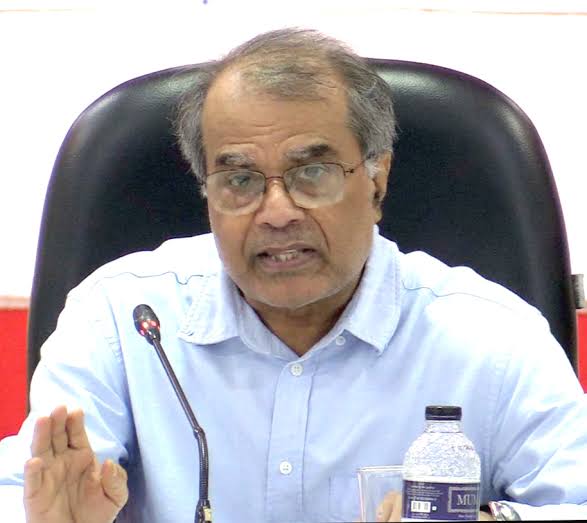
The writer is a prominent social activist, columnist, development researcher and policy analyst. He is the Executive Director of Coast Foundation, a renowned NGO in Bangladesh.
Editor & Publisher : Md. Motiur Rahman
Pritam-Zaman Tower, Level 03, Suite No: 401/A, 37/2 Bir Protik Gazi Dastagir Road, Purana Palton, Dhaka-1000
Cell : (+88) 01706 666 716, (+88) 01711 145 898, Phone: +88 02-41051180-81