06/06/2026

Children turn to foreign culture as local TV quality programs decline
Staff Correspondent | Published: 2026-06-06 14:03:25
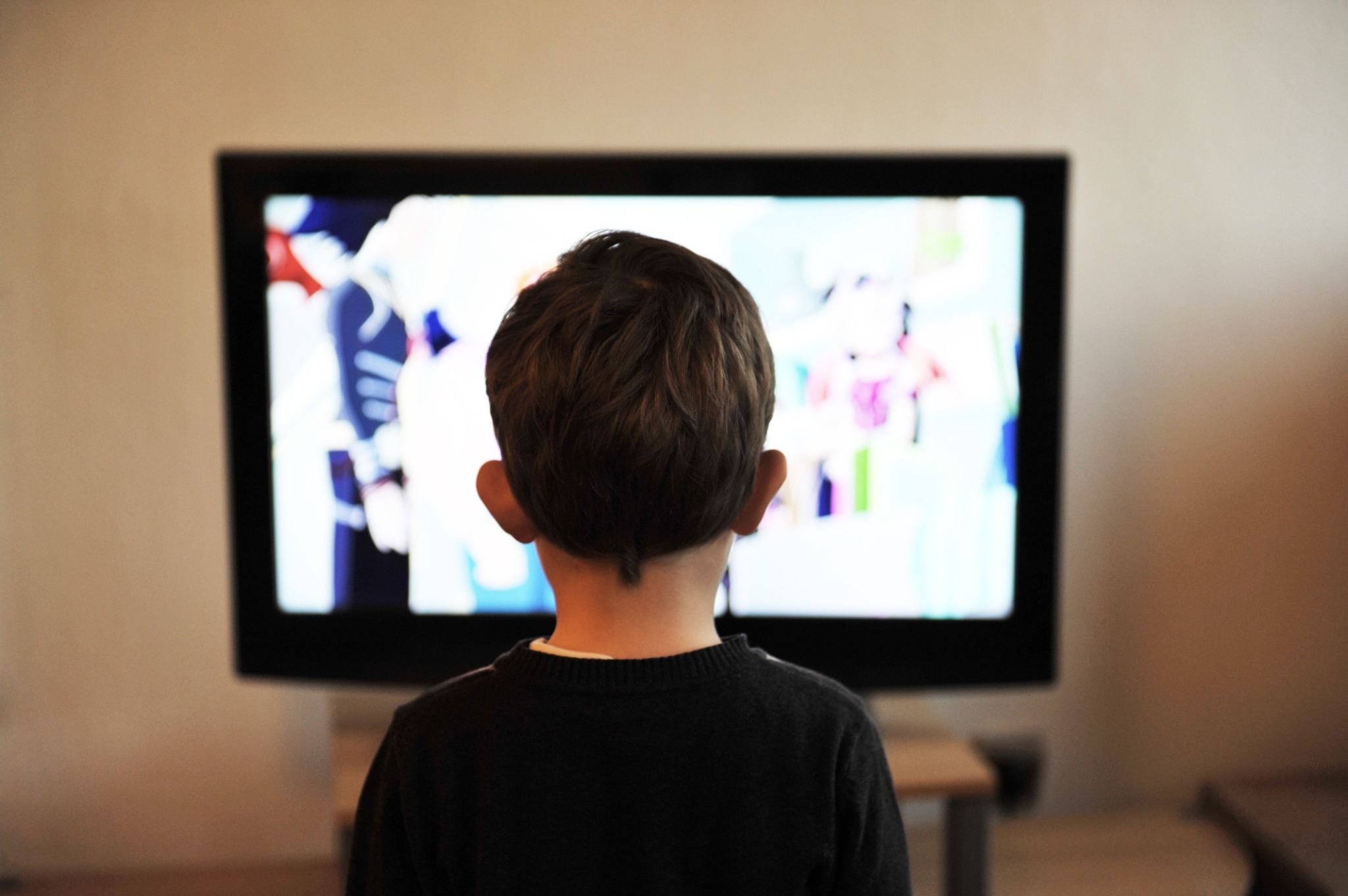
Bangladesh now has nearly 50 authorized television channels with around 42 currently on air. News bulletins, political talk shows, dramas and films dominate television screens. Yet in this crowded media environment, children get very little focused attention from these sources.
Media analysts, educators and parents say the shortage of quality children's programming is gradually pushing young viewers toward foreign entertainment and digital content, distancing them from local culture and values.
Children today are growing up in a screen-driven world. Like adults, they increasingly rely on television, smartphones and the internet for information and entertainment. In many households, children are now more digitally engaged than their parents.
Yet despite this growing dependence on media, there remains a serious shortage of quality Bangla-language content designed specifically for children. With limited locally produced cartoons, educational programs, interactive games or child-friendly digital content available, many children are consuming programs meant for adults or foreign-made entertainment.
Parents often express concern over excessive screen addiction but admit they struggle to find healthy and engaging alternatives for their children.
Experts warn that this lack of local content is slowly weakening children's connection with their own language, traditions and cultural identity. Some television channels have attempted to address the issue, although financial constraints remain a major challenge.
Private broadcaster ATN Bangla has aired children's programs such as "Amra Korbo Joy" and "Shapla Shaluk since 2003". The channel also introduced Art and Craft, a creativity-based program aimed at encouraging artistic learning among children. However, the show was later discontinued because of budget limitations.
Channel officials say the lack of sponsorship and advertising interest in children's programs discourages broadcasters from investing in long-term productions.
In a positive development, Bangladesh Television (BTV) revived the iconic children's talent competition "Notun Kuri" in 2025 after a 19-year pause. For decades, the program served as a platform for discovering young talent in singing, dancing, acting and recitation, helping many performers establish careers in the country's cultural arena.
Prominent personalities who emerged through Notun Kuri include actresses Rumana Rashid Ishita and Nusrat Imrose Tisha, while singers Samina Chowdhury, Hemanti Rakshit Das and Mahbuba Mahnoor Chandni also began their journeys through the platform.
Cultural observers say the revival of "Notun Kuri" has renewed hope for rebuilding children's cultural engagement through television.
At present, "Duronto TV" remains the country's only dedicated 24-hour children's television channel.
Besides, only a few isolated programs are aired on mainstream channels. NTV broadcasts children-focused shows such as "Biggyane Ananda" and "Tiffiner Fanke" on weekends, while Ekushey Television's relaunch of "Mukta Khobor" after 17 years has also been welcomed by viewers and media observers.
NTV Senior Program Manager Kazi Muhammad Mostafa said more educational and creative programming for children is urgently needed to keep children connected to their native culture instead of foreign influences.
"Educational and creative television content plays a vital role in children's language development, knowledge-building and socio-emotional growth," he said.
Mostafa also urged corporate sponsors to support children's programming, saying such initiatives are essential for developing responsible and capable future citizens.
ATN Bangla official Tanima Akhtar expressed concern over children's growing attraction to foreign cartoons, online games and digital entertainment.
"Children are becoming increasingly addicted to foreign cartoons and video games. The violence shown in many of these games is negatively influencing their behavior," she said.
"Everyone says children are the future of the nation, but where is their importance in our media?" Tanima asked.
Child psychologists and educators say children are natural imitators, heavily influenced by what they repeatedly watch on screens. They believe quality local programming can do far more than entertain. It can inspire creativity, build confidence and strengthen children's understanding of Bangladesh's history, traditions and social values.
Without sustained investment in children's content, experts fear commercial priorities may continue pushing the next generation toward a disconnected and rootless cultural identity.
Can a nation truly safeguard its future while neglecting the imagination and development of its children? Many parents and educators are asking the pressing question as debates over media responsibility grow.
Editor & Publisher : Md. Motiur Rahman
Pritam-Zaman Tower, Level 03, Suite No: 401/A, 37/2 Bir Protik Gazi Dastagir Road, Purana Palton, Dhaka-1000
Cell : (+88) 01706 666 716, (+88) 01711 145 898, Phone: +88 02-41051180-81