
- Economy /
- Turning NGOs into Banks: When “Reform” Becomes an Assault on the Poor

Mostafa Kamal Akanda
Published:2026-01-15 21:10:31 BdST
Turning NGOs into Banks: When “Reform” Becomes an Assault on the Poor
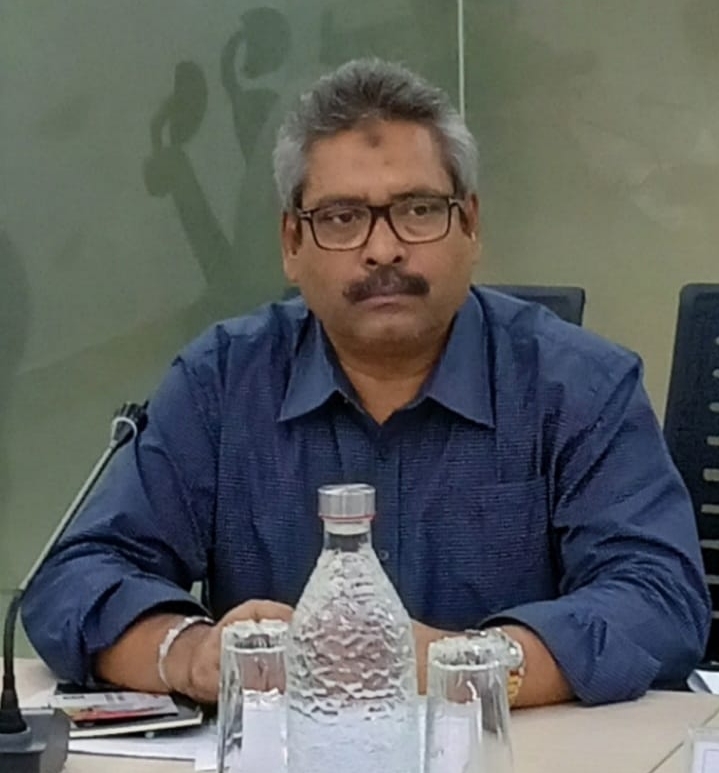
A decades-old humanitarian mission risks being reduced to a profit-driven banking model, leaving the poorest behind.
Bangladesh’s NGO sector was born out of the struggle for rights, dignity, and social justice. Today, under the banner of “reform,” that legacy is at risk of being dismantled.
For decades, non-governmental organizations (NGOs) in Bangladesh have stood where the state could not. In the absence of effective public systems, they reached the poorest and most marginalized communities with healthcare, education, women’s empowerment, disaster response, and financial inclusion. These institutions were not merely service providers; they were trusted partners in survival, especially for rural women and the urban poor.
Yet today, a dangerous shift is underway. In the name of reform, NGOs are being pushed to transform into microcredit banks—a move presented as modernization, efficiency and financial discipline. In reality, this conversion represents a fundamental betrayal of the humanitarian ethos on which the sector was built. It is not reform; it is a calculated economic assault on the poor.
NGOs were conceived as people-centered institutions, grounded in participation, solidarity, and rights-based development. Banking institutions, by contrast, are governed by profit logic, risk management, and balance sheets. Forcing NGOs into a banking framework cages a humanitarian mission inside a corporate structure. Compassion is recast as inefficiency, solidarity as financial risk, and the poor themselves as potential defaulters.
The impact is already visible at the grassroots. Field workers—once community allies during crises, floods, and illness—are increasingly reduced to loan recovery agents. Development work that once integrated health, education, and social awareness is shrinking under regulatory pressure. What remains is credit stripped of its social soul.
Microcredit in Bangladesh was once a tool of liberation. It was embedded in a broader development ecosystem—“microcredit plus”—that recognised poverty as multidimensional. Today, under banking rules and profit imperatives, microcredit risks becoming a legitimised structure of exploitation. Decisions that were once shaped by community participation are now driven by top-down corporate governance. Rights-based development is quietly replaced by a debt-centred business model where people matter less than repayment rates.
Behind this transformation stands a powerful nexus of interests: regulators, policymakers, and corporate lobbies, often echoing prescriptions from international financial institutions.
Under slogans such as “financial discipline,” “efficiency,” and “good governance,” they are dismantling decades of socially embedded development practice. What was built for the poor is being redesigned to control the poor.
This shift also threatens Bangladesh’s global reputation as a pioneer of inclusive development. The NGO-led model—rooted in social innovation rather than conventional banking—has long been studied and emulated worldwide. Turning it into a narrowly regulated financial system risks undermining both its effectiveness and its credibility.
Development is not merely a set of economic indicators. It is a question of dignity, rights, participation, and human agency. Any reform that ignores these foundations is not reform at all—it is regression. Converting NGOs into banks erodes the moral and political purpose of development and reduces human lives to financial variables.
The critical question must be asked: reform for whom, and at whose cost? If efficiency is achieved by excluding the poorest, silencing communities, and prioritising profit over people, then the price is far too high.
Resisting this aggressive transformation is not just a technical debate—it is a moral and political responsibility. If society remains silent, history will record that we allowed humanitarian development to be defeated by corporate greed, and that in the name of reform, we declared an undeclared economic war on the poor.
Mustafa Kamal Akanda is a development practitioner and policy analyst with over 26 years of experience in Bangladesh’s NGO and social development sector.
Unauthorized use or reproduction of The Finance Today content for commercial purposes is strictly prohibited.