Initiative Launched to Build an Elderly Care Home in Shibchar
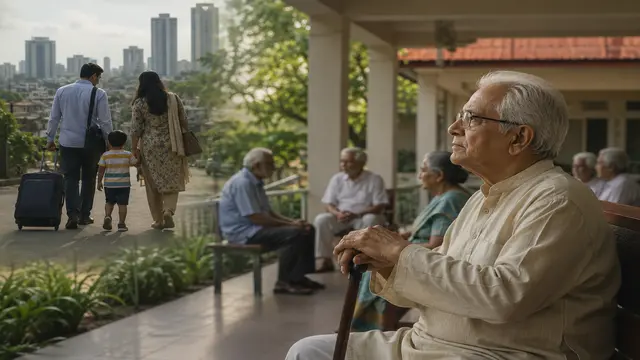
The humanitarian project has been envisioned by Md. Matiur Rahman, Editor and Publisher of the widely discussed investigative news portal The Finance Today, television presenter, media personality, and Chairman of RNTC Group
"As a child, he cried in fear at night; I held him close to my heart with both hands. Today those very hands search in vain—my address is now an old-age home."
These poignant lyrics by renowned Bengali singer-songwriter Nachiketa continue to resonate with many, reflecting the painful reality faced by countless elderly parents. A mother often raises 10 or 12 children with unconditional love and sacrifice, yet in her old age, those same children may fail to share the responsibility of caring for her.
While parents remain the greatest source of comfort for their children throughout life, many elderly mothers and fathers are deprived of the love, care, and companionship they deserve in their later years. As traditional family structures continue to evolve, old-age homes are increasingly becoming a refuge for many senior citizens.
Against this backdrop, an initiative has been taken to establish an elderly care home in Shibchar of Madaripur district.
The humanitarian project has been envisioned by Md. Motiur Rahman, Editor and Publisher of the widely discussed investigative news portal The Finance Today, television presenter, media personality, and Chairman of RNTC Group.
Named "Briddhanibas Shibchar" (Shibchar Elderly Residence), the project aims to create more than just a conventional old-age home. According to Matiur Rahman, the vision is to establish a dignified residential facility where elderly people can live with respect, security, proper healthcare, companionship, and compassionate support. The initiative seeks to provide an environment where senior citizens can rediscover purpose and enjoy a meaningful life in their later years.
Growing Elderly Population, Changing Society
According to the 2022 Population and Housing Census, Bangladesh is home to 15.33 million people aged 60 years and above, accounting for 9.28 per cent of the country's total population. This growing demographic presents new challenges for Bangladesh's healthcare and social welfare systems.
As life expectancy continues to rise, the number of elderly citizens is increasing rapidly. While infectious diseases and malnutrition once dominated public health concerns, non-communicable diseases, age-related illnesses, and the need for long-term care have now emerged as significant priorities.
The United Nations Population Fund (UNFPA) projects that by 2050, Bangladesh's elderly population will reach approximately 36 million, representing nearly 22 per cent of the country's total population. In other words, one in every five Bangladeshis will be aged 60 or above.
This demographic transition is also reshaping the country's social structure. The gradual decline of joint families, increased migration to urban areas and overseas for employment, and the growing participation of women in the workforce have weakened traditional family-based care systems. Consequently, many elderly people are experiencing loneliness, emotional distress, and social isolation.
Need for Institutional Care
A report by the former Interim Government's Health Sector Reform Commission noted that many elderly individuals gradually become dependent on others due to illness and physical limitations. At the same time, they often face neglect and loneliness, which adversely affect not only their physical health but also their mental well-being.
The report highlights the increasing prevalence of depression, Alzheimer's disease, and dementia among older adults and emphasises the urgent need to prioritise geriatric healthcare. It recommends expanding specialised medical services, regular health monitoring, rehabilitation programmes, and mental healthcare tailored to senior citizens.
The commission also stresses the importance of establishing residential elderly care facilities for people suffering from dementia and other chronic conditions, ensuring that they receive safe, dignified, and professional care in a supportive environment.
Healthcare experts believe that without comprehensive planning, Bangladesh's rapidly growing elderly population could pose significant social and public health challenges in the coming decades.
They argue that strengthening elderly-friendly healthcare services, expanding social protection programmes, and developing sustainable long-term care systems should now become national priorities.
The proposed Briddhanibas Shibchar is expected to contribute to this vision by providing elderly citizens with a secure, compassionate, and respectful place to spend their later years with dignity.
Shamiur Rahman