
- Economy /
- 'Significant work remains' in reforming financial, fiscal, and exchange rate sectors: IMF

Diplomatic Correspondent
Published:2026-04-17 02:57:23 BdST
'Significant work remains' in reforming financial, fiscal, and exchange rate sectors: IMF
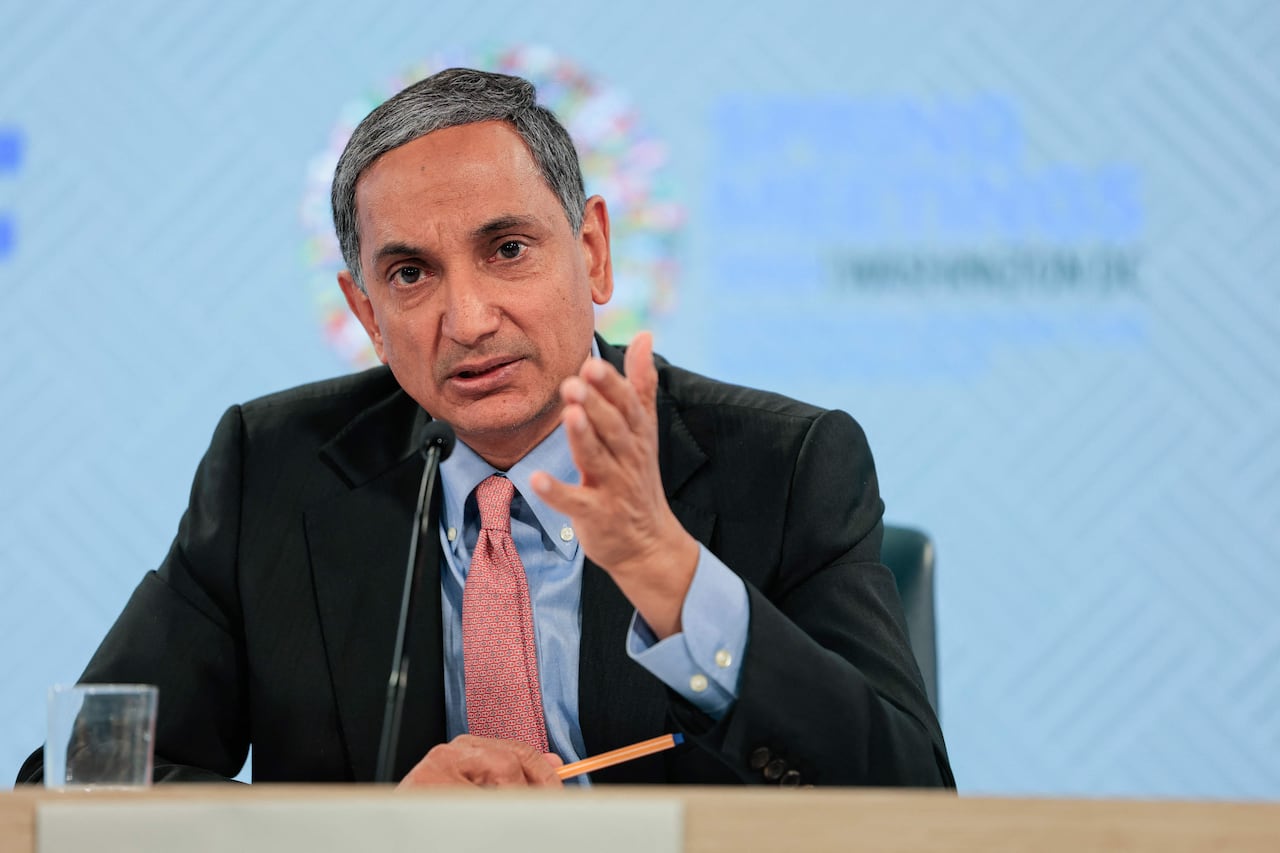
The International Monetary Fund (IMF) has emphasized that Bangladesh requires extensive reforms across three critical sectors, including financial, fiscal and foreign exchange.
According to the global lender, significant work remains to be done in each of these areas to ensure economic stability.
Krishna Srinivasan, Director of the IMF's Asia and Pacific Department, made these remarks on Thursday while responding to questions from Bangladeshi journalists at a press conference in Washington, D.C. The briefing was attended by media representatives from India, Nepal, Sri Lanka, and South Korea, among other nations.
The briefing took place on the sidelines of the World Bank-IMF Spring Meetings, which commenced on April 13 and are scheduled to conclude on April 18.
A 14-member Bangladeshi delegation, led by Finance and Planning Minister Amir Khosru Mahmud Chowdhury and Bangladesh Bank Governor Md. Mostaqur Rahman, is currently attending the meetings.
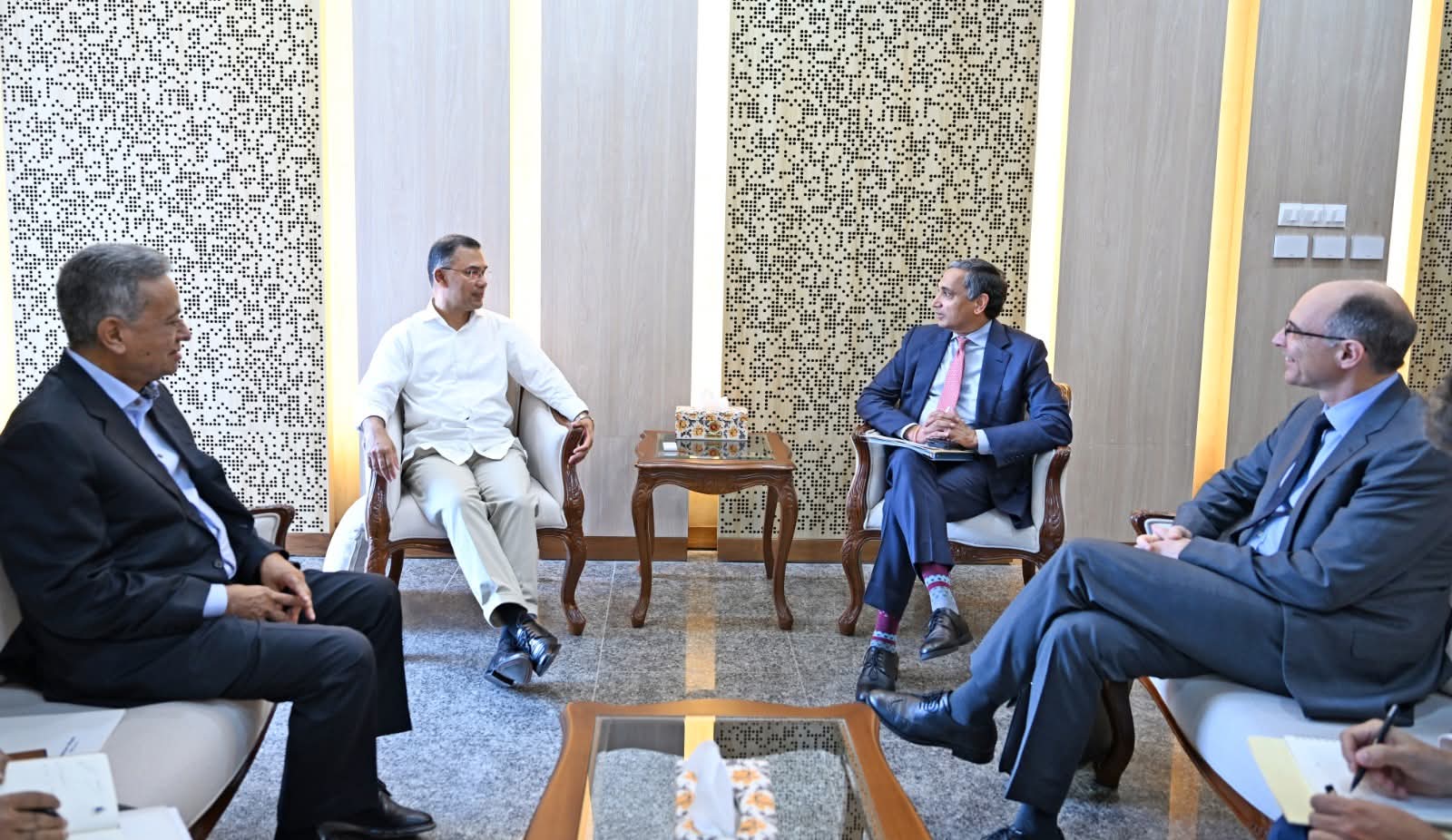 Srinivasan's meeting with PM Tarique Rahman during his Dhaka visit on March 24
Reflecting on his visit to Bangladesh on March 24, where he met with Prime Minister Tarique Rahman and the Finance Minister, Srinivasan shared his impressions of the new government's capacity for reform.
"I visited Bangladesh and held meetings with the Prime Minister and other high-level officials. We discussed the challenges ahead," Srinivasan stated.
"I noted that a government with a strong majority has the opportunity to undertake ambitious reform agendas. They have listened to our suggestions; now we must wait and see how they respond," he opined.
The IMF Director expressed concern over Bangladesh's revenue collection performance. "In terms of revenue mobilization, Bangladesh has not performed well. It remains at a low level and has seen further deterioration over the last three years," he noted.
Regarding the release of the next loan tranche, he mentioned that discussions are ongoing, and updates would be provided in due course.
Highlighting the situation in Sri Lanka, Srinivasan pointed out that under its IMF-supported program, the country has made significant strides in increasing its tax-to-GDP ratio over the last three years, gradually building financial buffers. He noted that Sri Lanka is now in a relatively better position to support citizens affected by energy price shocks.
Srinivasan warned that because Bangladesh has a small revenue base, the government faces greater pressure when trying to provide social safety nets. "The people of Bangladesh are suffering. Therefore, it is crucial that whatever resources Bangladesh possesses are utilized with maximum target-based efficiency," he urged.
He advised Bangladesh to focus on increasing revenue collection while addressing other barriers in the financial sector to boost both short-term and long-term growth. Like other Asian nations, Bangladesh has been impacted by global energy shocks, and Srinivasan concluded that policy support and program discussions are active, with the outcome depending on how effectively these dialogues progress.
Unauthorized use or reproduction of The Finance Today content for commercial purposes is strictly prohibited.