
- Economy /
- 9 reasons that to oppose microcredit bank as proposed

Rezaul Karim Chowdhury
Published:2026-01-06 14:56:46 BdST
9 reasons that to oppose microcredit bank as proposed
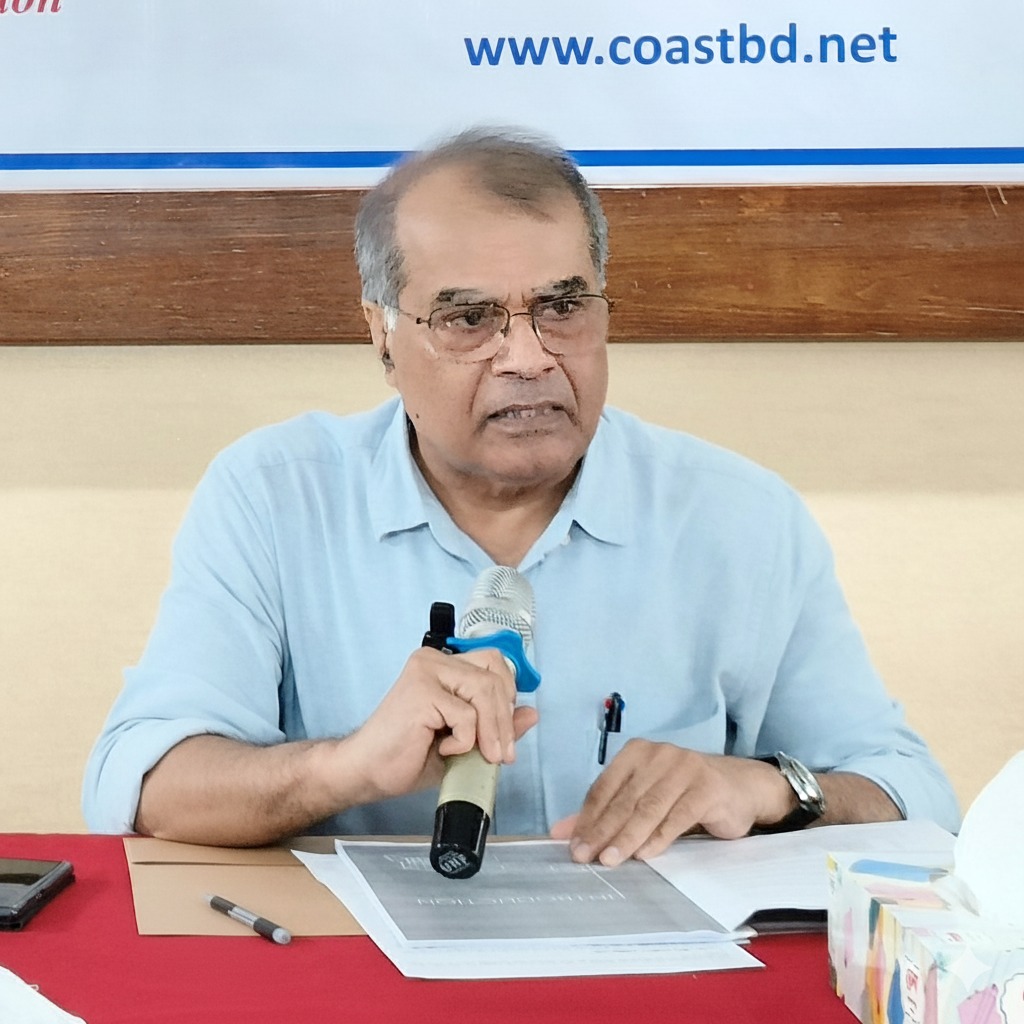
Nine reasons that to oppose microcredit bank as proposed
(1) No hurry to embark in microcredit Bank (MCB), wider stakeholder opinion is fundamental. The govt. ministry of finance, financial inclusion division has announced draft ordinance to form microcredit bank (MCB) on dated 15th December 2025 and given time for public opinion until 15th January 2026.
This is found extremely hurry as so far around 700 MFI (micro finance institutions) is operating in the country with license from MRA (micro credit authority) with the chairmanship of Governor Bangladesh Bank. Although majority share of micro finance is covered by big MFIs, but it is mostly small and medium size MFIs working in remote places and doing micro finance plus activities like, health, disaster response, education, and other activities on financially sustainable basis. Most of them also raise fund from abroad and country for those activities to work with “integrated or holistic” approach. This is with the control framework of NGO Affairs of Bureau of govt. MRA is also encourage MFIs to work in social development work, previously they allowed 10 %, now it is around 20 % of surplus.
(2) Why it is important to take opinion of all MFIs including small and medium size MFIs. Taking opinion from them is paramount important, if they turn themselves as MCB with their possible surplus then how they will continue the “plus” work in view of Integrated and Holistic approach. Please note that very origin of micro finance (MF) in Bangladesh taking the integrated approach. My best apprehension this Making MFIs in Bank surely a mission drift. Please note that recent World Bank Report has indicated that, around 40 % of the population suffering under poverty line, it is being jeopardized by climate catastrophes (slow on set disaster like, cold wave and hit web and rapid on set disaster like cyclone and floods), so expose to vulnerability is also an issue in this regard rather than measuring poverty with income index.
(3) Is govt. thinking what is the implications of MCB in Bangladesh after 2026. Taking opinion from this larger sector of MFIs is important that, all most 40 million families are covered by them, around 0.5 million employees is working in this regard. They have the outstanding of around 13 billion $, where member savings of around $ 5 billion, which is 43% of total loan outstanding, bank share around 18 % and PKSF share around 7 %. So, participation of larger sector especially of small and medium size MFIs is important. By the year 2026 while Bangladesh will be graduated to middle income country although there some part of the govt trying to delay it, but whole NGO sector suffering out of drastic reduction for foreign aid already. In last two decades there are hardly any foreign donation in MFI sector. Role of micro finance plus is important is that they are also providing technical training to upgrade entrepreneur’s skill, even a handful of MFIs running technical schools, linked to progressive export of agricultural processing industry, and supporting rural urban migration with new skills. Govt initiative for embarking on this MCB might diminish these progressive role, which is all most fully depended on micro finance surplus. Govt. should think twice in this regard.
(4) There is hardly any relation of MCB and the micro credit sector’s priority need? One must think first that what is the priority need in the sector, or what is the acute problem in the sector, these problems should be solved for making the sector righteous. As a practitioner of this sector, following are the acute problem in the sector as I feel.
a. Duplication and overlapping
b. Misappropriation by staff
c. Enhanced tendency of overdue and
d. Lack of subsidized capital especially for local and medium size MFIs.
e. Registration complication and unprecedented delay in RJSC (Register of Joint Stock Companies)
If duplication and overlapping is not solved progressively then it may kill the MFIs and there will be a time will come that small and medium size MFIs might be collapse one after another. There was a proposed progressive solution in this regard as initiated by MRA, i.e., introduction of CIB (credit information bureau) for micro finance borrowers and SIB (staff information bureau) software. But the completion and implementation process are slow.
Misappropriation by staff is increasing, MFIs are lodging case, but its take time to settle the case, now it is around 1 or 2 % of the capital, enhancing LLP (Loan Loss Provision) cannot solve the problem in long run. Maybe we must review the existing legal system and proposed revision in this regard.
PKSF (Palli Kormo Sohayak Foundation) is the only and one subsidized wholesale loan provider to the micro credit sector, out of which MFIs are doing surplus providing salaries, operation cost and managing micro finance plus or “integrated activities”. But it has limitations in respect of capital, now a days govt hardly support this institution in this regard. Then there is entry of Banks, as because of pressure of Bangladesh Bank they provide a portion of wholesale landing to MFIs but with commercial rate, some time with hidden processing fees, lien, and collateral. Which is cumbersome and not conducive for sustainable institutional development. MFIs best reliance in this regard are group members saving, where they give minimum but a reasonable interest.
It is mostly the arguments from MRA to get the micro credit license, MFIs must go for RJSC registration as nonprofit entity. But the system is complicated and take huge amount of time, that is why in all stages MFIs must depend on third party involvement and which raises a lot of quasi legal process and illegal financial burden.
My very arguments is that, if these interim govt want to help the micro credit sector they should study above five problem so that they will be able to greatly help the sector. I hardly find any correlation of this “Bank” approach in solving of those problems. Rather I feel as the draft ordinance or banking initiative is passed in any form, it will jeopardize the whole micro credit sector, may be will creating possible extinction of small and medium size NGOs.
(5) As proposed in draft ordinances the proposed MCBs will create uneven competition especially with small and medium size MFIs. My primary understanding after studying the draft ordinance which will give the proposed Bank or Banks will give superpower compare to the operational procedures of existing MFIs thus these will create uneven competition and possible extinction of small and medium size NGOs, e.g.,
a. This bank will be empowered with Public Demands Recovery Act 1931 (Ben. Act III of 1913) it means the bank will be able to do certificate case against borrower, in case of recovering the loan money. Which present MFIs does not empower with (clause no. (2) & (3) of 26 of draft ordinance).
b. This bank will be able to take collateral of assets as pledge, hypothecation, and assignment, which present MFIs does not empower with. (clause no. (kha) & (ga) of 18 of draft ordinance. What are the group collateral which was perceived in 70s and 80s it is hardly working now, most of the MFI workers going house to house to recover the loan?
c. This bank will be able to do retail banking with any one like any commercial bank, while for MFIs it is only with members but with limited framework (ie, MFIs cannot take unlimited savings etc.). So that the MCB will have more capital and more investment, it means they can offer the loan and deposit savings with more competitive rate, compare to MFIs.
d. Although it has mentioned that this Bank will be regulated by MRA, but by country’s law it cannot be. As it is bearing the name of “Bank” it has to take license from Bangladesh Bank, it means the proposed bank will be a “Supra Body” to existing MFIs. At the end there will be degradation of MFI operation and can create possible conflict with MRA. Even if MRA will be empowered to regulate this MCB then major issue is that how an entity can regulate to different form of entity.
e. Role of committed leader is fundamental in genesis and growth of MFIs or micro credit NGOs. As it is proposed a classical democratic and participation principles, but question is this approach is how much help full, we must study. We must accept the very real fact that if there are no Fazle Hossain Abed there will be no creation of BRAC and affiliated institutions, if there are no Shafiqul Huq Chowdhury then there will be no creation of ASA and its affiliated institutions. We know some vivid cases that how an outsider, who is not organically grown with organization has made collapsing of progressive MFIs and NGOs. We all have to study too why they have facilitated their son and daughters to take key positions of those organization, as they have realized how much and who will be able to rightly carryforward the organization for future. So, some time putting democratic principles before the role of individual committed leaders like putting cart before the horse.
(6) There are little of positive experiences from the countries where MF Bank has created. Countries where MF Bank has created, it is experienced that the creation has marginalized the NGO MFIs. In some countries the founder has overthrown, and small and medium MFIs has been collapsed. Let us carefully study the cases. CARD Bank in Philippines have been established that the policy is that the borrower will be share holder of this microcredit bank. My colleagues have had experiences in visiting the bank. What happens in practice that the borrowers and small NGO MFIs have been marginalized and in course of time bigger shareholders / bigger investors has occupied and became most influential.
(7) Borrowers will be the majority shareholder of these proposed bank is not clear. In clause no 8.1 of the draft ordinance it is mentioned that the proposed microcredit bank’s 60 % shareholding will go to borrowers. But in draft ordinance it is not clear that whether this proposed micro credit bank will go for ‘retail lending’ or go for “wholesale lending” like PKSF. Clarity is needed how the borrowers and saver will get profit sharing of these bank. Proposed bank has linked to the social business concept, it means surplus will be reinvested, how it will happen this is not clear too, while the concept is not to take profit or surplus, but to reinvest these money.
(8) Nomenclature is important, NGO MFIs should remain as greater part of nonpartisan civil society. If these ordinances will be promulgated then at least 100 existing NGO MFI will be able to apply, and moreover they will be attracted to do it as proposed MCBs empowered for doing certificate case and taking savings and investment from anyone. They will be renamed as “Bank” and for social work like, education, health and disaster response they will keep present entity as separate branch. All these will create a cumbersome and costly management and if they will be embarking on “Bank”. And thus, they will not be able to raise fund especially from external sources for social activities like education, health, technical education, and disaster response. I am in favor of NGO MFIs should remain as greater part of civil society, as they will have greater link in international level and in all above, they will become part of greater movement for democracy and human rights.
(9) Open Windows, rather than Opening New Banks. If one look at the country like China, Thailand and Singapore, there are few numbers of bank which are less then 10. GDP of Thailand surpassed $ 500 billion, but they have only 18 banks, public 6, and private 12. There are only five banks in Singapore, there are same eight banks in Malaysia. Even in our neighboring country India, in national level they have 12 public and private 22, in regional level they have 43 and 46 foreign banks are working. We have total bank 62, 43 banks are private. Govt rescued around 4 private banks infusing public money taka 20 thousand crore. We have a lot of NBFIs (Non-Bank Financial Institutions), among them around 20 are found sick, where more than 50 % are NPL (non-performing loan).
We have strong committed personality like Dr Salahuddin and Hasan Monsur at present, but they will not remain forever. If political government sworn in, they might be removed, I will not be astonished. We should limit the Banks no, rather we should open diversified windows in Banks, e.g, Banks could have a new windows of subsidized wholesale loan for NGO MFIs.
Unauthorized use or reproduction of The Finance Today content for commercial purposes is strictly prohibited.