Duty- Free Imports Extended to Non-Bonded Factories
Partial exporters and small industries can import raw materials duty-free against bank guarantees ⊕ 30% value addition and export within nine months required
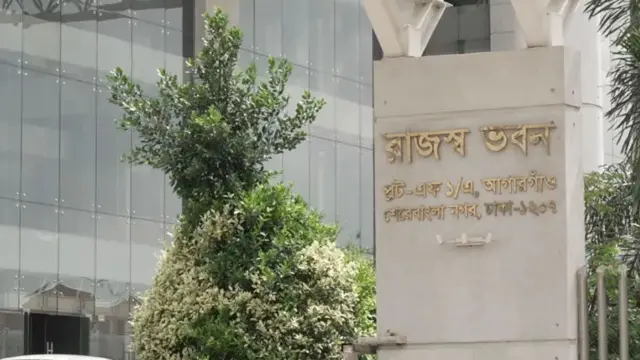
The National Board of Revenue (NBR) has allowed partial export-oriented and small industrial enterprises without bonded warehouse licences to import raw materials without paying customs duties and taxes upfront, subject to certain conditions.
Under the new arrangement, eligible businesses must provide a bank guarantee equivalent to the applicable duties and taxes on the imported goods to the customs authorities.
The move is being viewed as a significant opportunity for small and medium-sized enterprises (SMEs). Industry stakeholders believe that allowing non-bonded factories to access duty-free raw materials without going through the complexities of obtaining a bonded licence could help increase production capacity and encourage more new entrepreneurs to enter export markets.
Bank Guarantee Required
Under the new system, non-bonded factories will be able to import raw materials against a bank guarantee instead of paying the applicable duties and taxes upfront.
The bank guarantee must be equivalent to the potential customs duties and taxes associated with the import and must be submitted to the customs authorities.
The arrangement therefore seeks to support export-oriented industries with duty-free raw materials while protecting government revenue through the bank guarantee as financial security.
30% Value Addition Mandatory
One of the key conditions of the facility is that products manufactured using the imported raw materials must have a minimum 30% value addition.
In other words, the facility will not be available simply for importing raw materials and re-exporting them without meaningful domestic production.
The requirement is intended to ensure that imported inputs are used in local manufacturing and that genuine value is added domestically. This could help strengthen local production capacity while supporting industrial development.
Nine-Month Export Deadline
Products manufactured from the imported raw materials must generally be exported within nine months.
However, the deadline may be extended by another three months with approval from the VAT Commissionerate, where necessary.
Industry stakeholders believe the time limit is important for preventing misuse of the facility. Without effective monitoring, imported raw materials could potentially be diverted to the domestic market, creating a risk of revenue losses.
Reduced Bond Licence Complexities
Small and medium-sized industrial entrepreneurs have long complained about the paperwork, licensing requirements and administrative complexities involved in obtaining bonded facilities.
For many small businesses, entering the bonded warehouse system can be costly and time-consuming.
The new facility could allow non-bonded enterprises to import raw materials under specified conditions without obtaining a bonded licence. This may help reduce production costs and improve the competitiveness of SMEs in international markets.
Potential to Boost Export Capacity
The facility could benefit not only existing exporters but also new and emerging businesses with export potential.
Export-oriented factories may be able to utilise their production capacity more efficiently by securing a steady supply of raw materials. Greater access to inputs could also enable businesses to expand production and develop new products.
The move could consequently contribute to export diversification and expansion of Bangladesh’s international trade.
Strict Oversight Crucial
While expanding duty-free facilities could support industrial growth, preventing misuse will be equally important.
Potential irregularities could include selling imported raw materials in the domestic market, making false export declarations, importing excessive quantities of inputs or failing to export finished products within the stipulated period.
Therefore, effective monitoring of the bank guarantee, value-addition requirement and export deadline will be crucial. Customs and VAT authorities will also need to ensure proper documentation, verification and post-import monitoring.
Experts believe that allowing non-bonded factories to import raw materials duty-free under clearly defined conditions could support the growth of SMEs and help diversify Bangladesh’s export base.
However, the major challenge for the NBR will be ensuring that the facility is used only by genuine export-oriented and productive industries, while preventing leakage of government revenue.
Shamiur Rahman